Bactereature
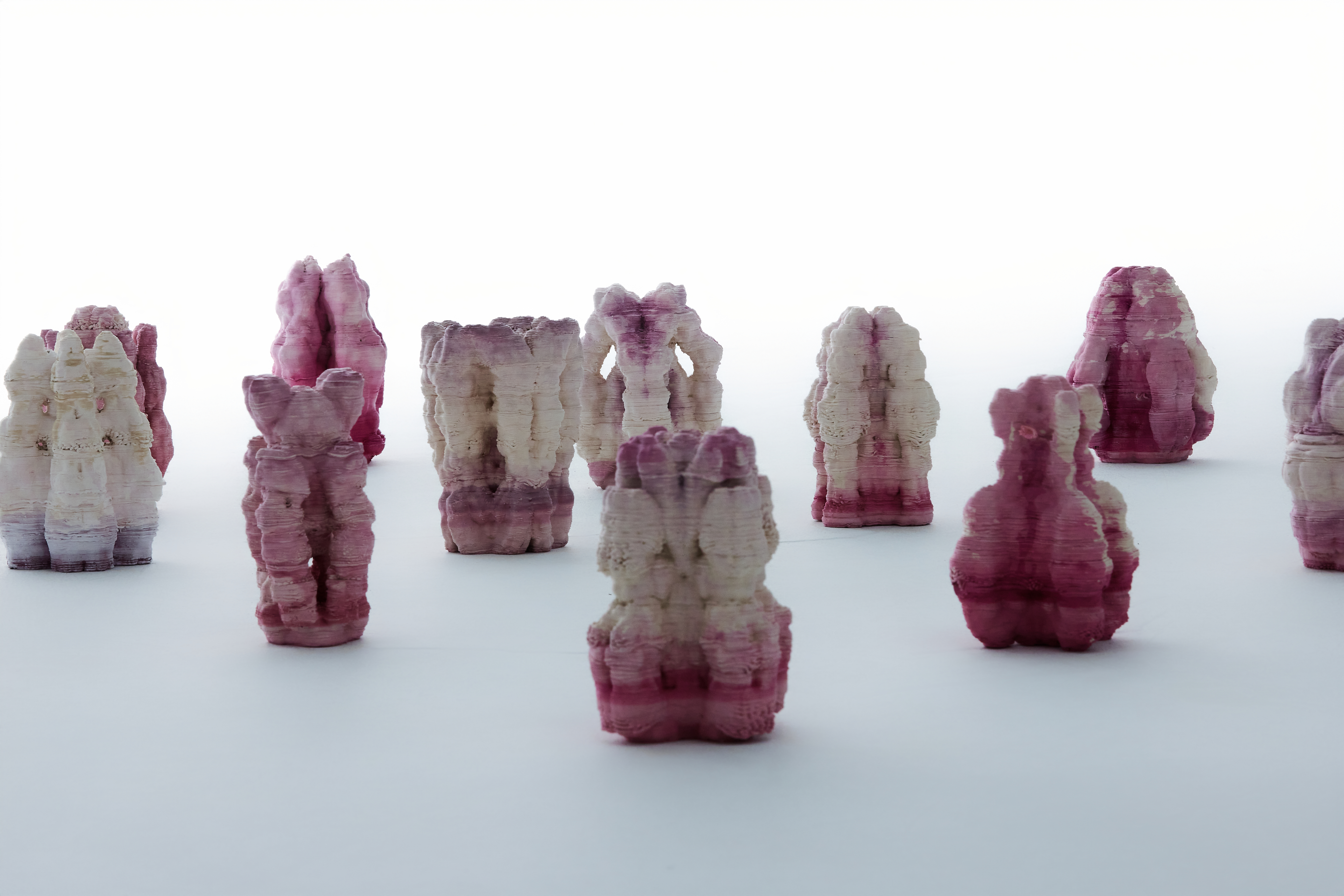
Fourteen ceramic sculptures grown in collaboration with Serratia marcescens, a pigment-producing bacterium that colonises 3D-printed surfaces. Colour and form emerge from bacterial growth rather than being applied, the organism acting as co-author rather than material.
Concept
Serratia marcescens is a bacterium commonly found on and in the human body — known clinically as an opportunistic pathogen, and domestically as the pink residue that collects in damp grout and shower grime. Cultured under controlled conditions, it secretes prodigiosin, a red pigment historically mistaken for blood and once read as a religious portent before its microbial origin was identified.
Bactereature asks what happens when this same organism is invited onto a ceramic surface not as contamination to be eliminated, but as a collaborator in the making of an object — where responsibility for the resulting form and colour comes to rest between the artist, the print and the bacterium.
Pigmentation
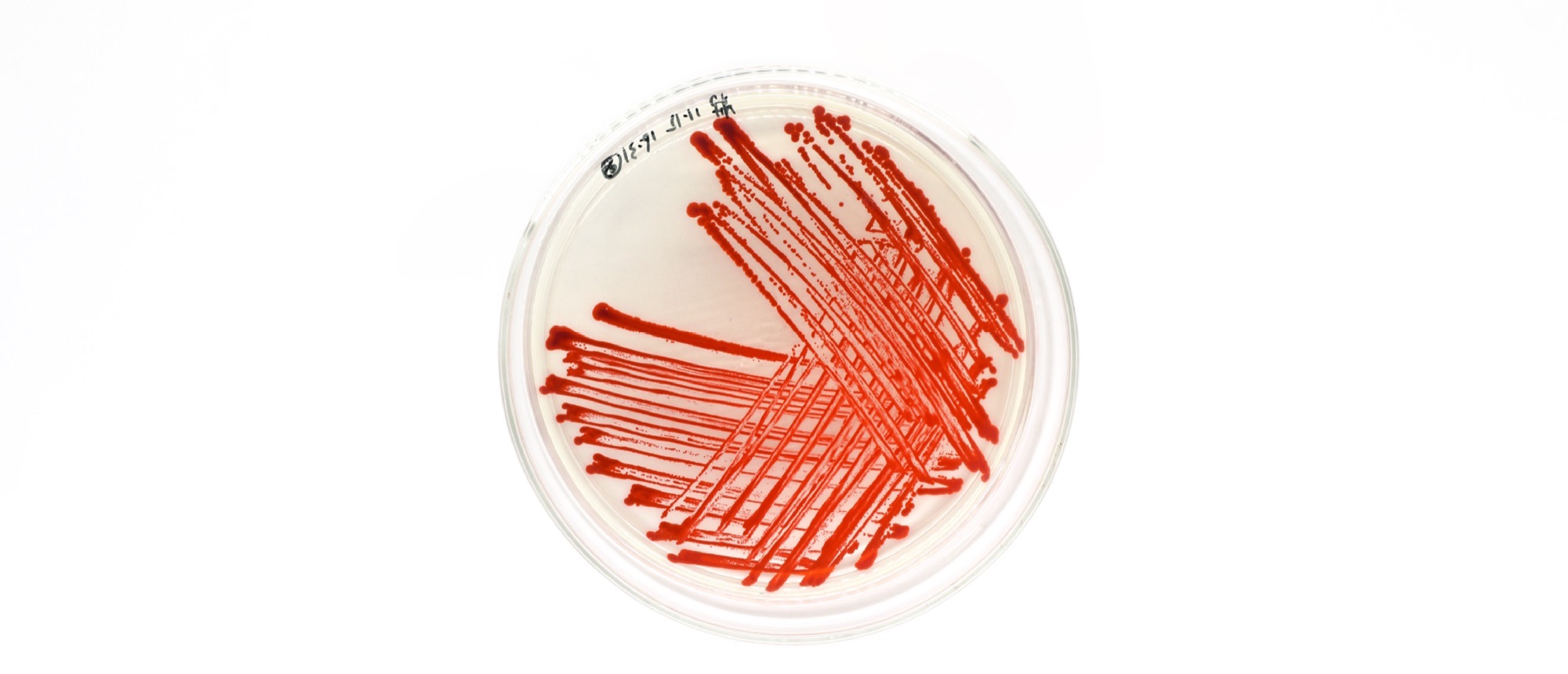
Serratia marcescens produces prodigiosin, an intense red secondary metabolite. It grows readily on standard nutrient media and develops visible pigmentation under moderate conditions. In contrast to the violet associated with the more commonly used Janthinobacterium lividum, its red pigment introduces a different chromatic range, allowing the bacterium to act as an active contributor to material experimentation.
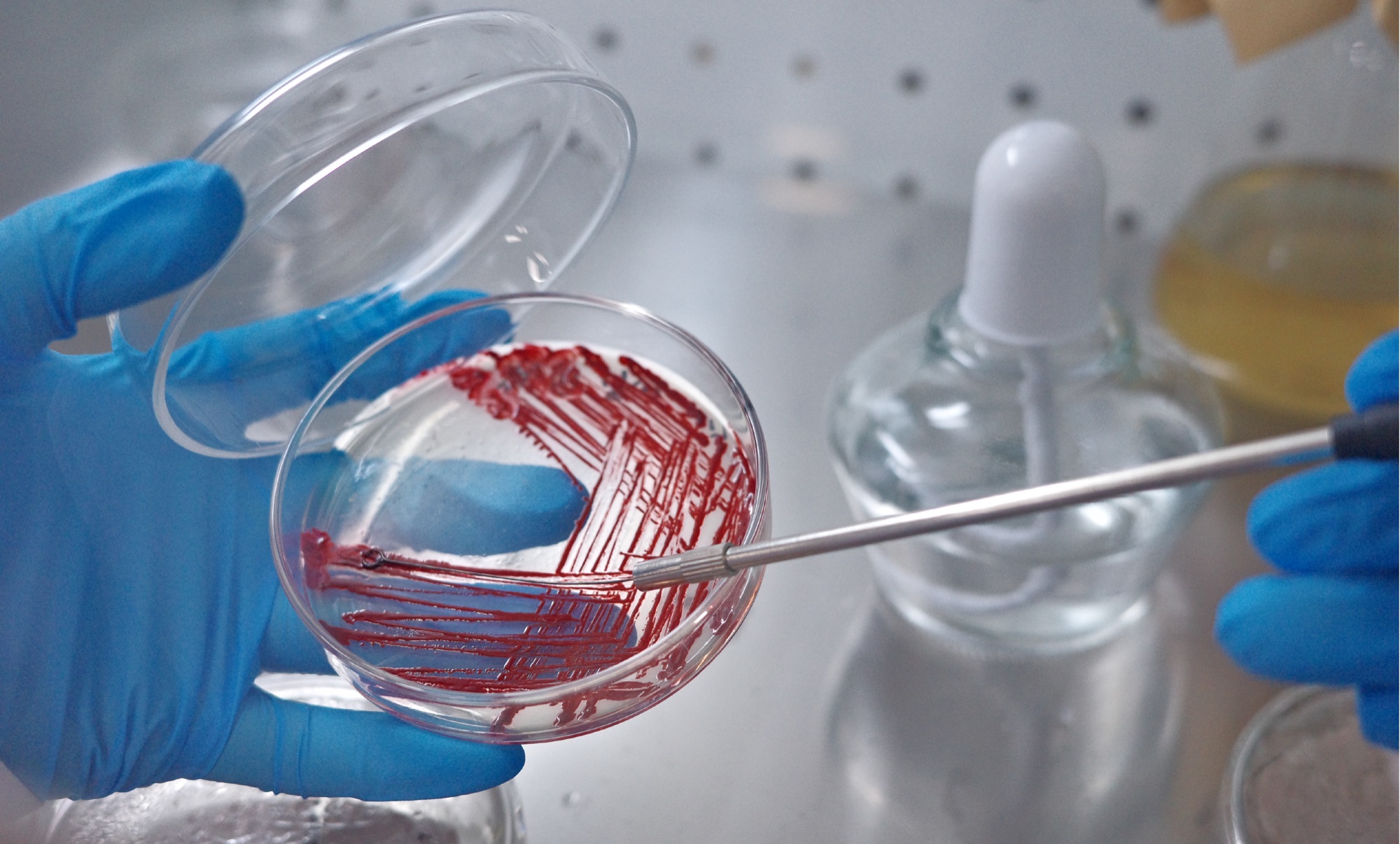
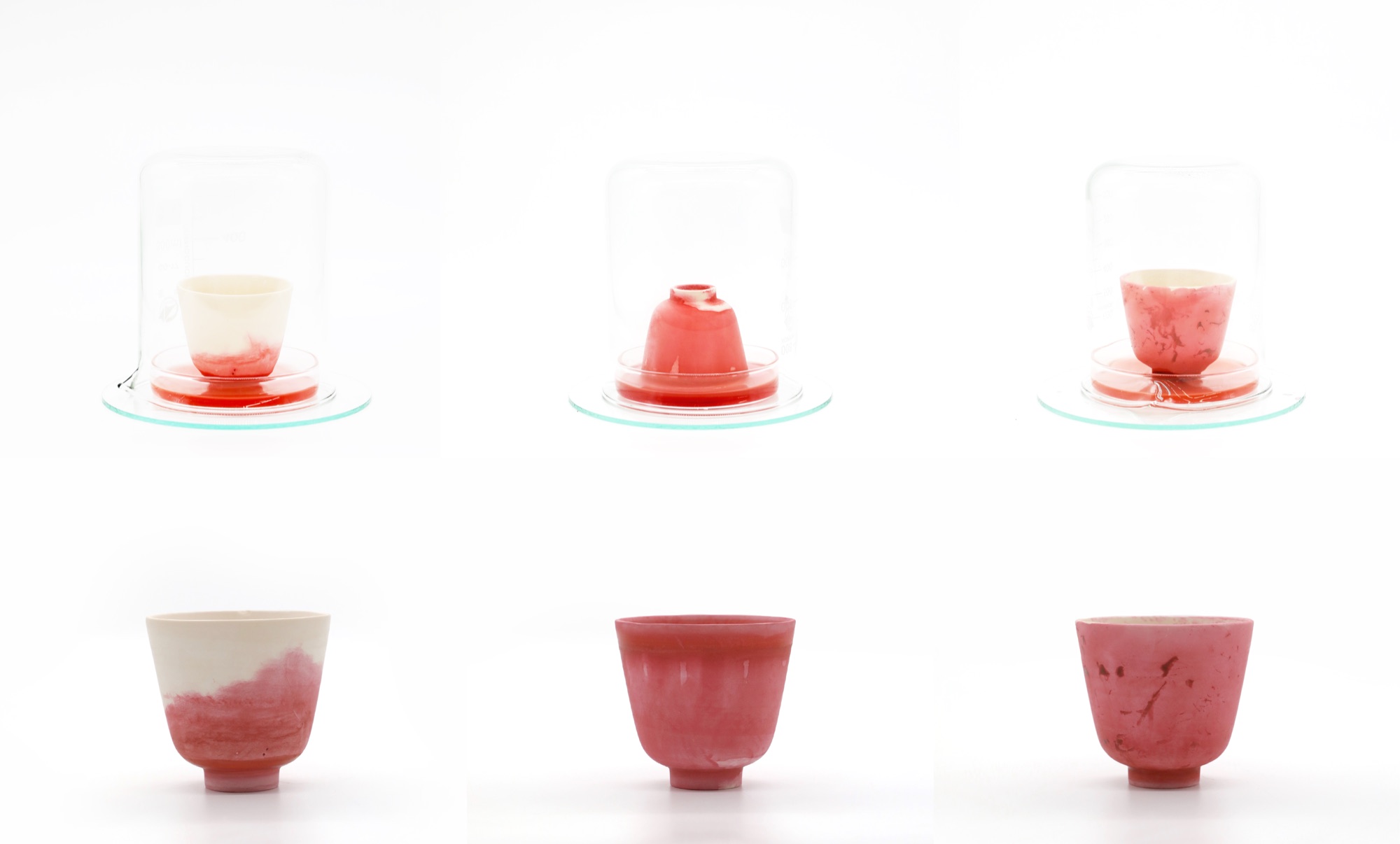
The strain was first activated on nutrient agar for 72 hours at 28°C and 80% relative humidity under light-protected conditions. Pigmented colonies were then resuspended in nutrient broth to form a liquid staining medium. Materials were placed semi-immersed in the suspension, drawing the pigment-bearing liquid upward through capillary action. Colouration emerged through absorption, diffusion and deposition, rather than being applied as a fixed surface finish.
Screening
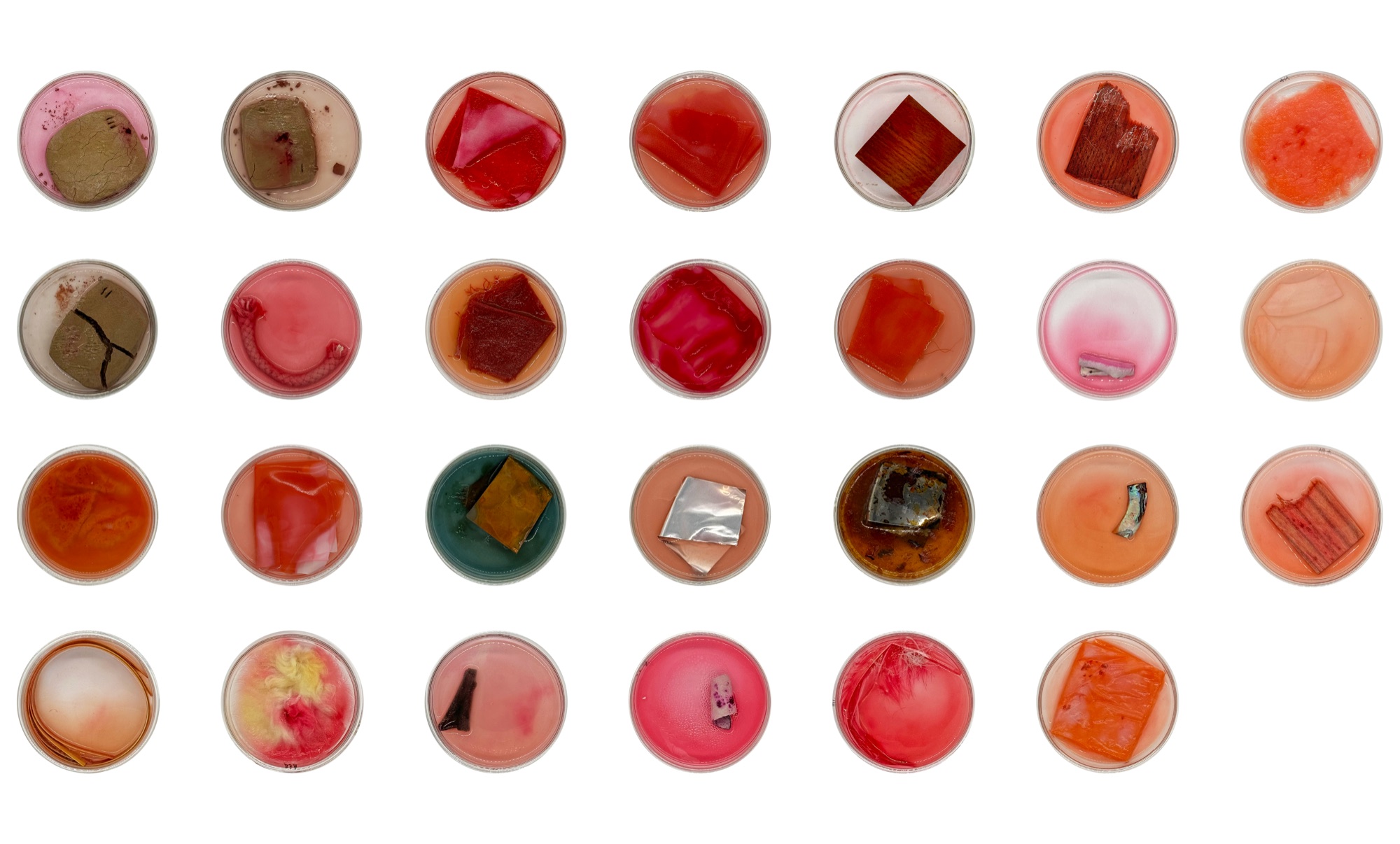
A range of materials was tested under the same staining conditions, including textiles, plant fibres, animal surfaces and shells, clay, wood, and metal. The comparison focused on how readily each material absorbed the pigment-bearing liquid and how clearly the colour remained visible at the surface.
Bisque-fired, unglazed porous ceramic was selected as the carrier. While many textiles produced broad, even saturation, ceramic drew liquid upward through capillary action and retained pigment close to the surface, creating diffusion gradients, tide lines and sediment-like traces.
Forming the substrate
The textured forms were printed in high-white porcelain clay using an open-source clay 3D printer and Cura for slicing. Printing parameters, support structures and internal configurations were adjusted for each geometry to maintain stability while preserving the intended surface textures. The layer-by-layer traces were deliberately retained as readable surface features that later participate in liquid absorption and pigment deposition.
The green bodies were air-dried before being bisque-fired at 800°C without glaze. Firing hardened and stabilised the forms while retaining the microporous ceramic structure, preparing the surface for the wet staining and microbial processes that followed, where absorption and diffusion remained active.
Colour pathways
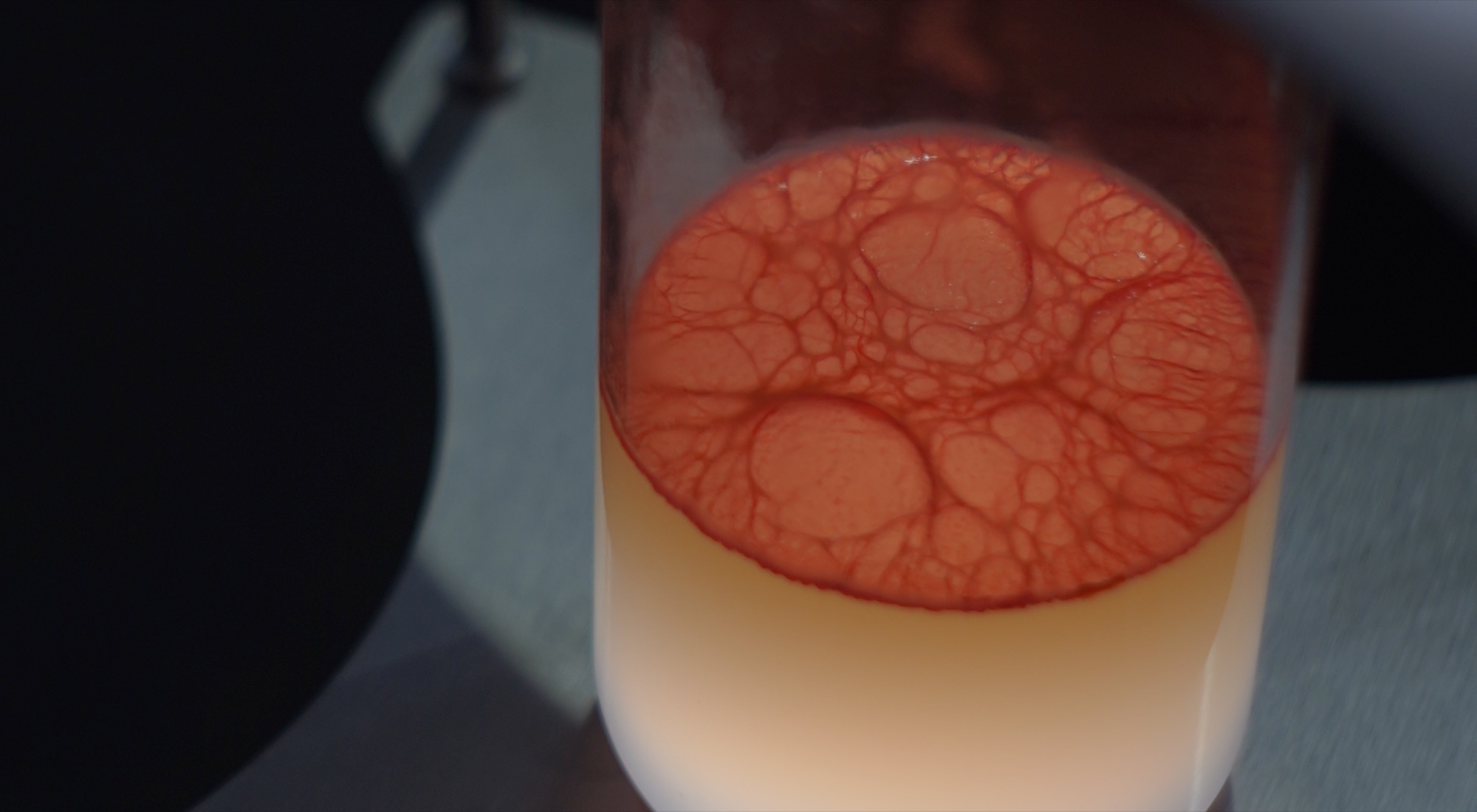
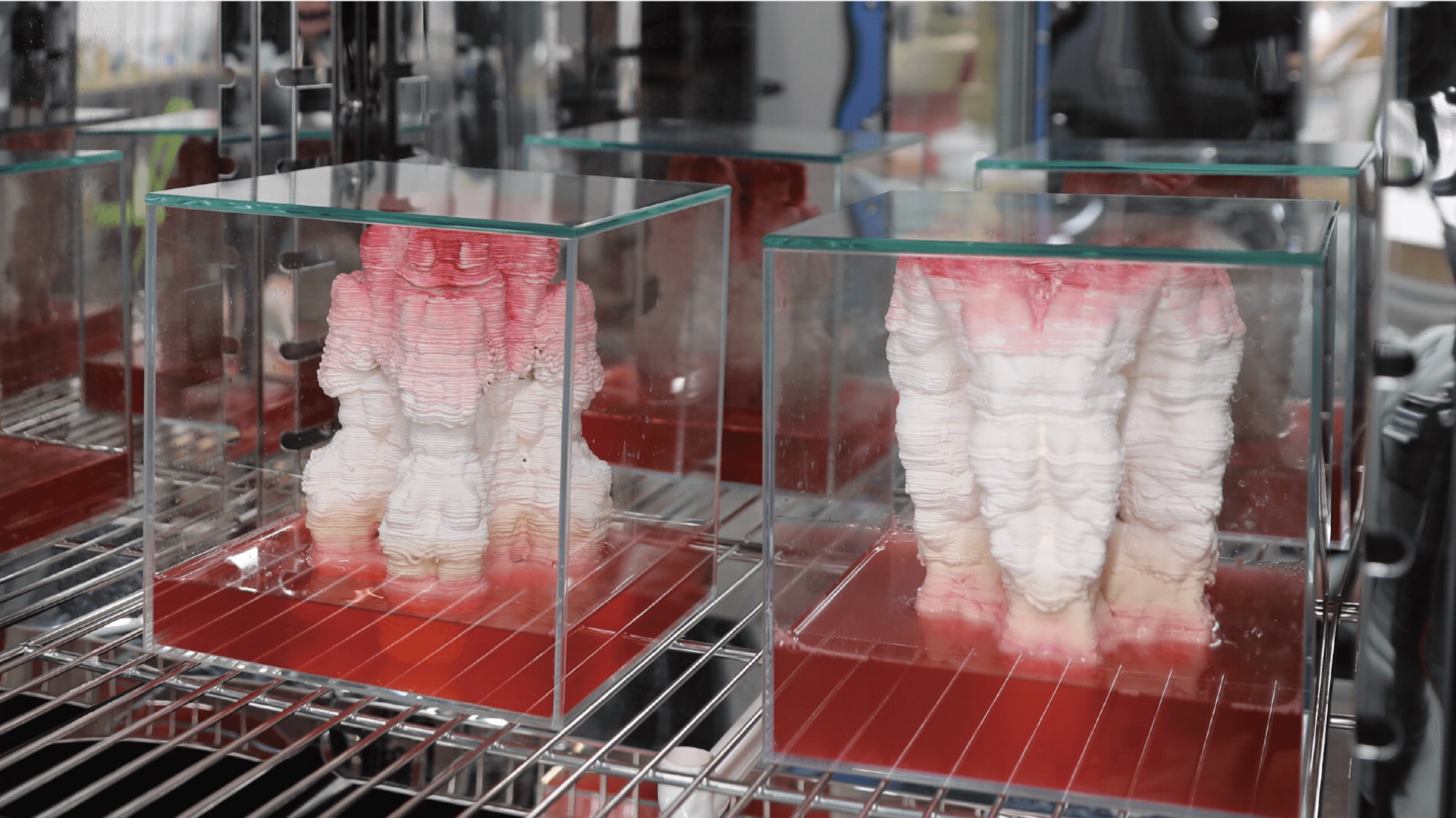
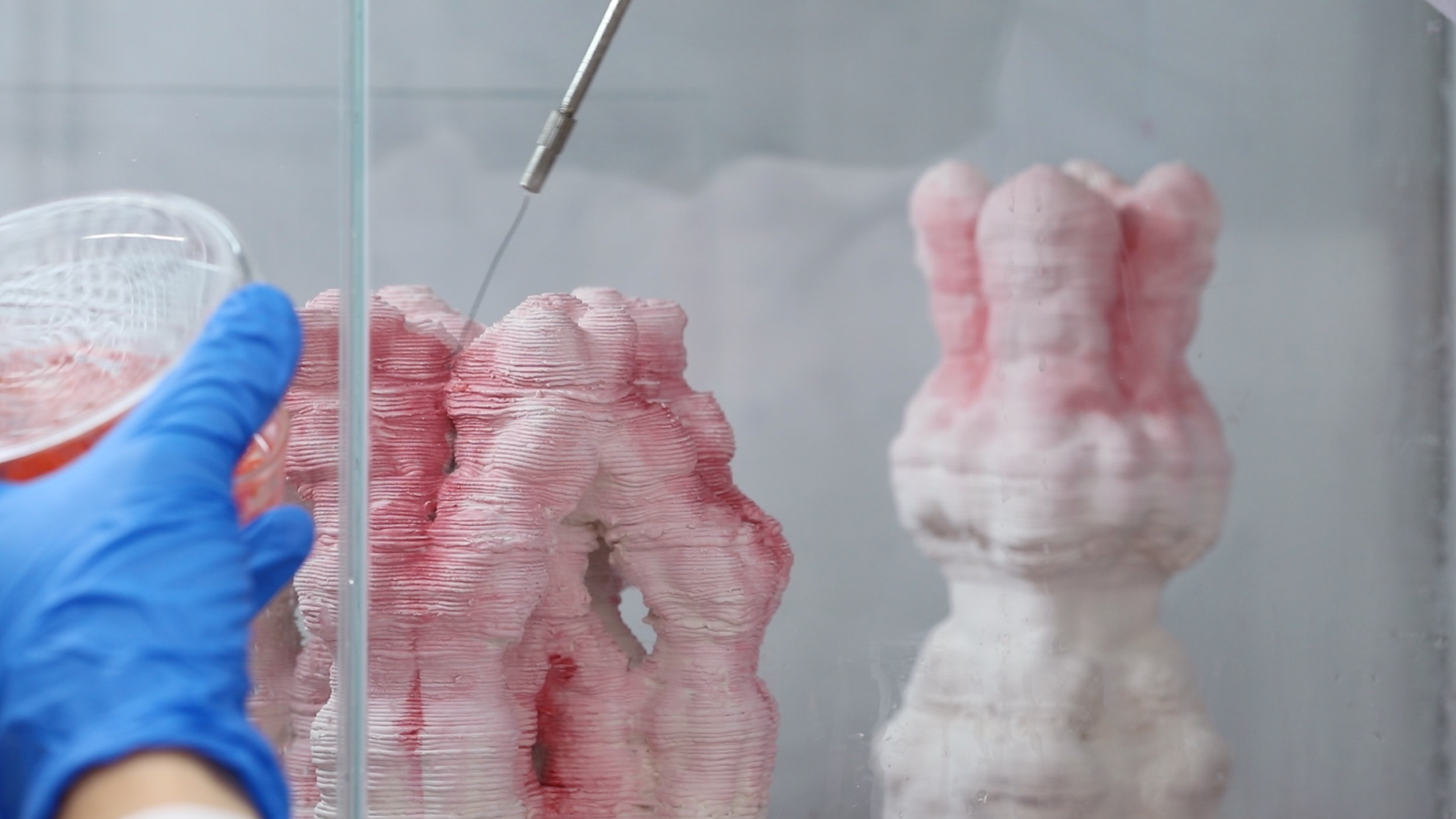
Two complementary colouration pathways were combined on the same ceramic sample. Capillary absorption drew pigment-bearing liquid upward through the porous body, leaving soft gradients and tide-like marks along the printed layers, while localised inoculation concentrated pigmentation within selected grooves and cavities.
Together, the two produced distinct but overlapping colour distributions. Pigment developed most strongly where liquid meets air, since oxygen is critical to its production. Rather than functioning as a one-time coating, colouration developed through absorption, microbial activity and time, leaving material traces shaped by the ceramic surface and its environment.
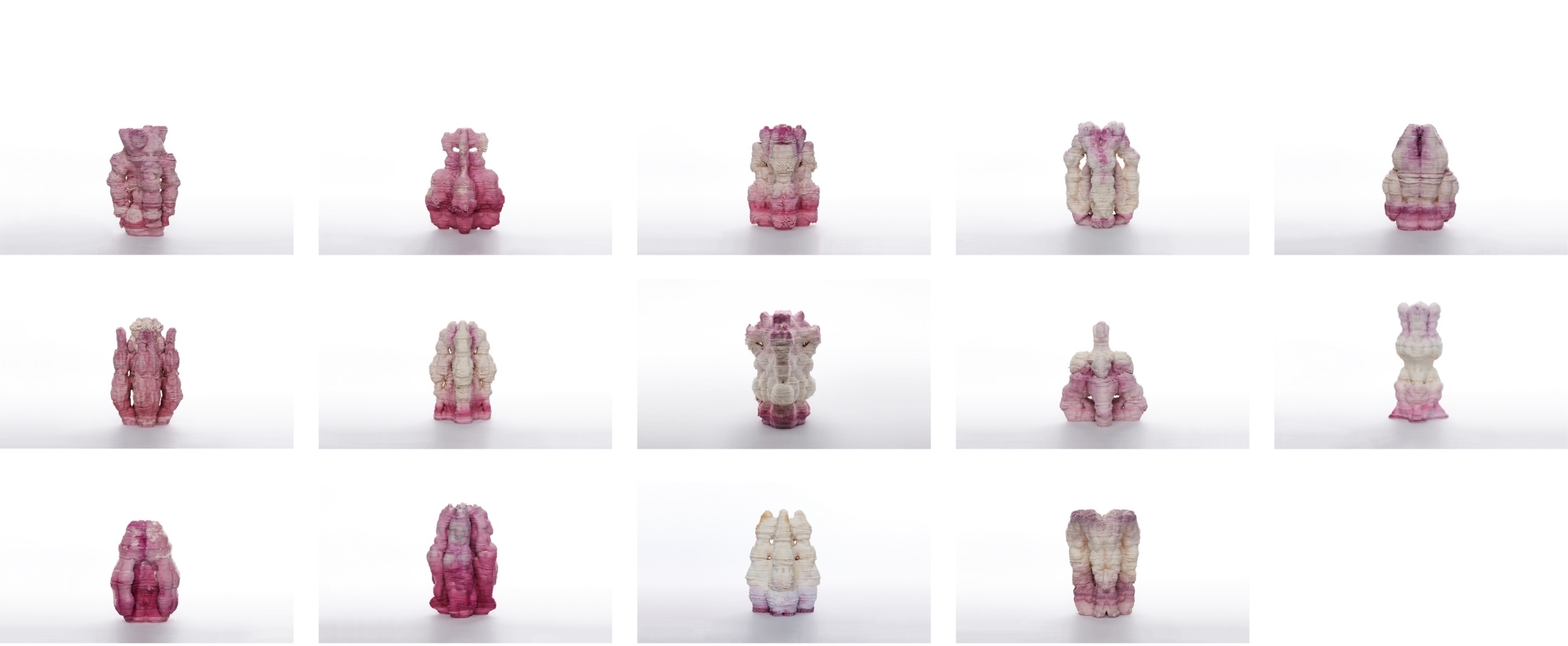
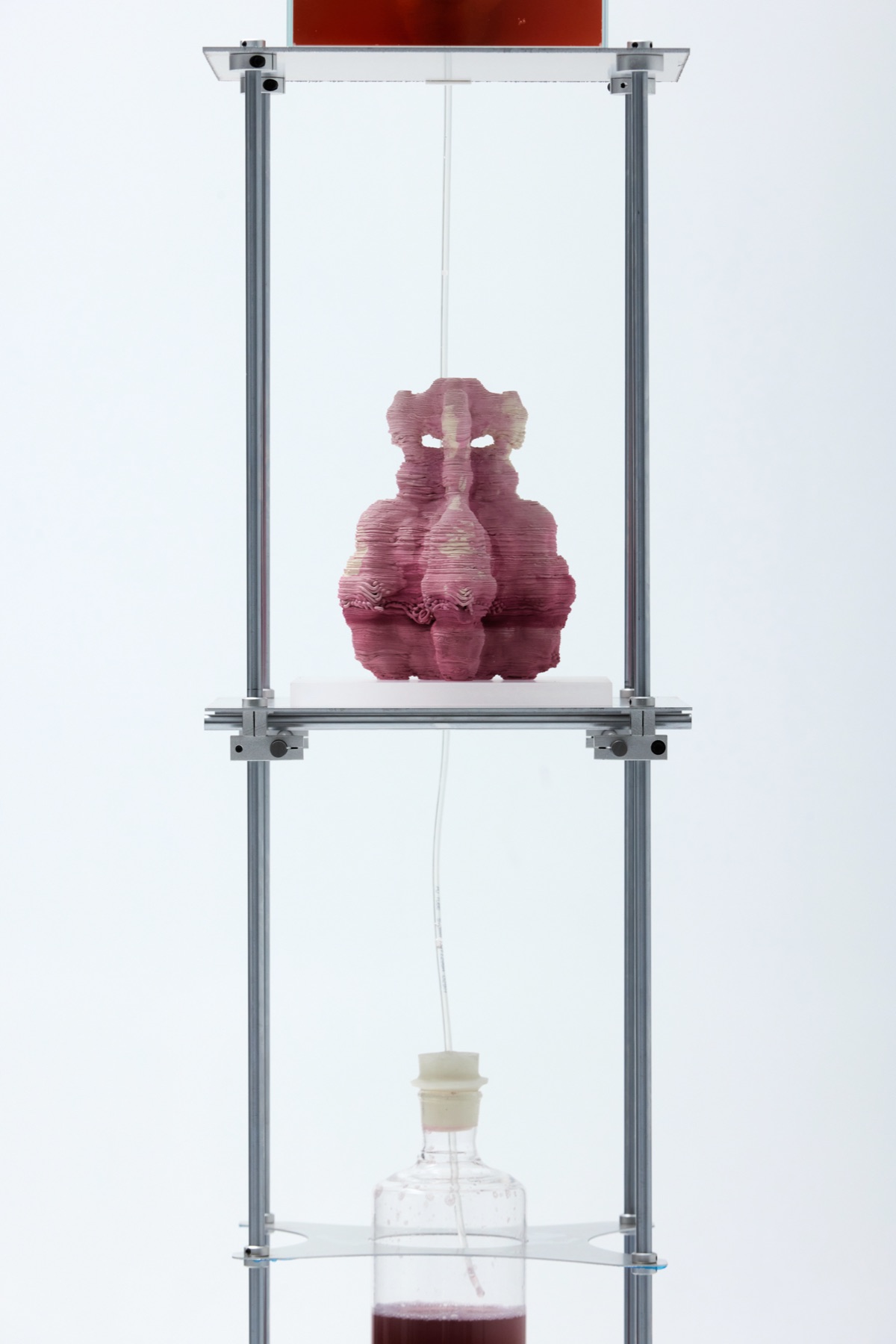
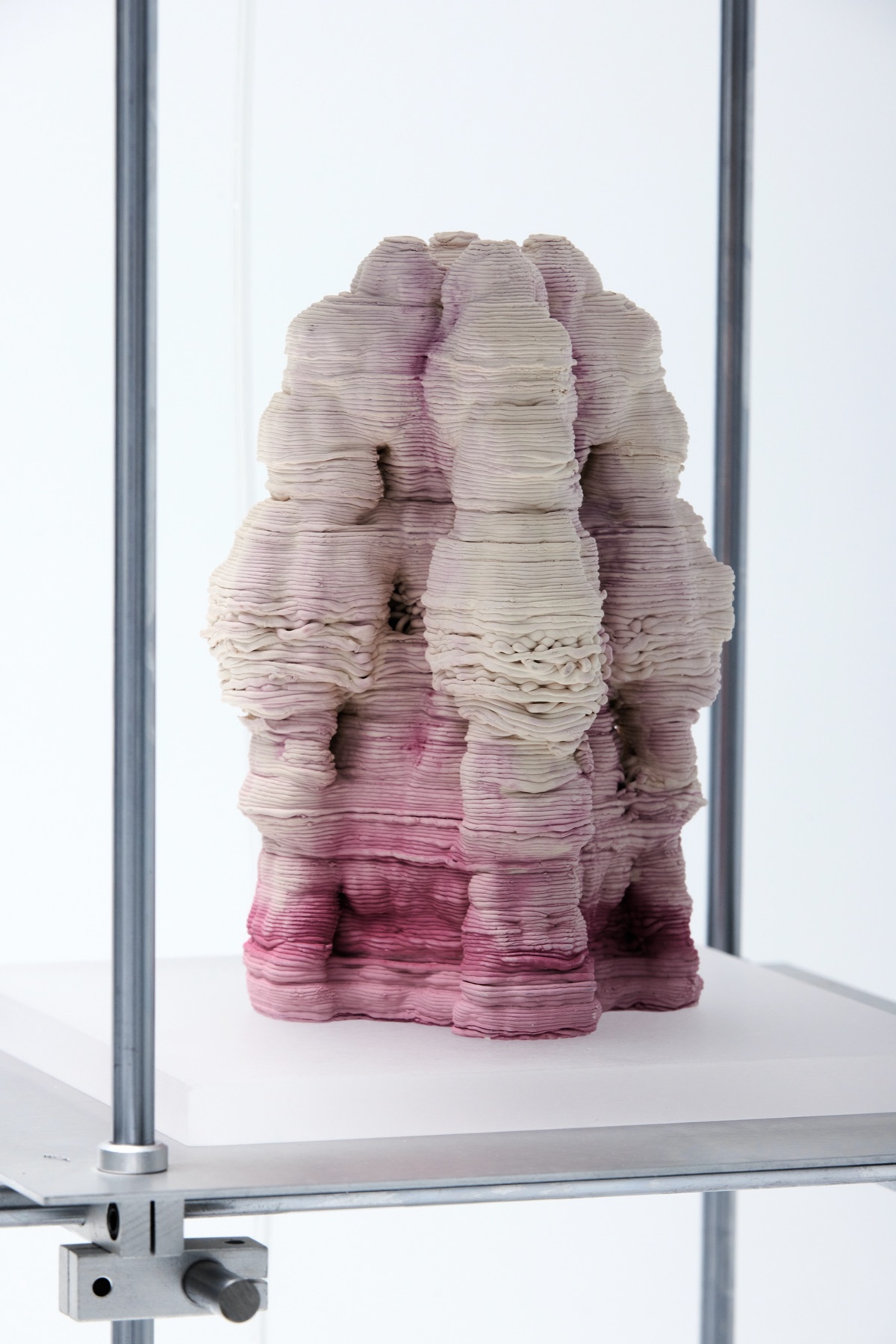
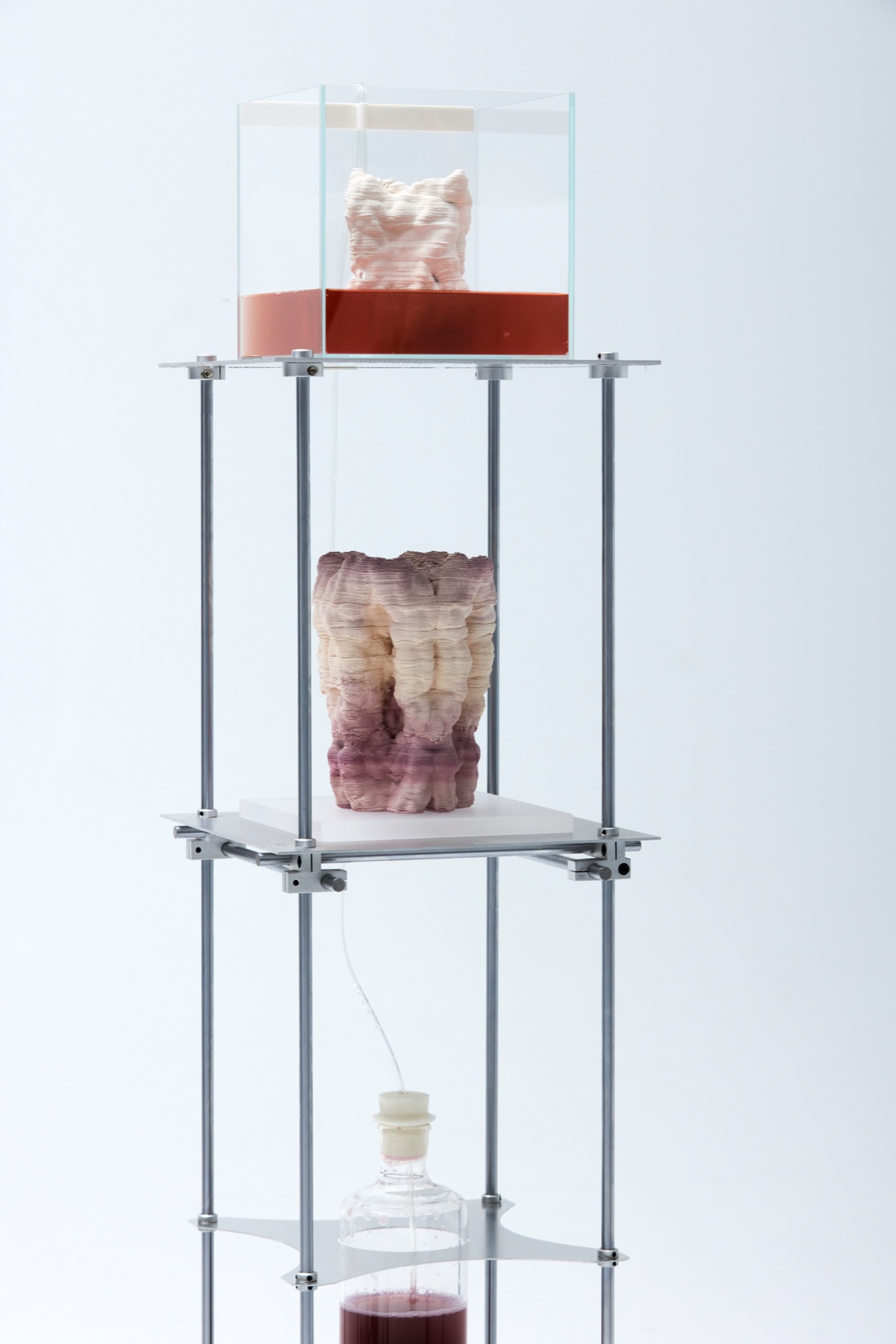
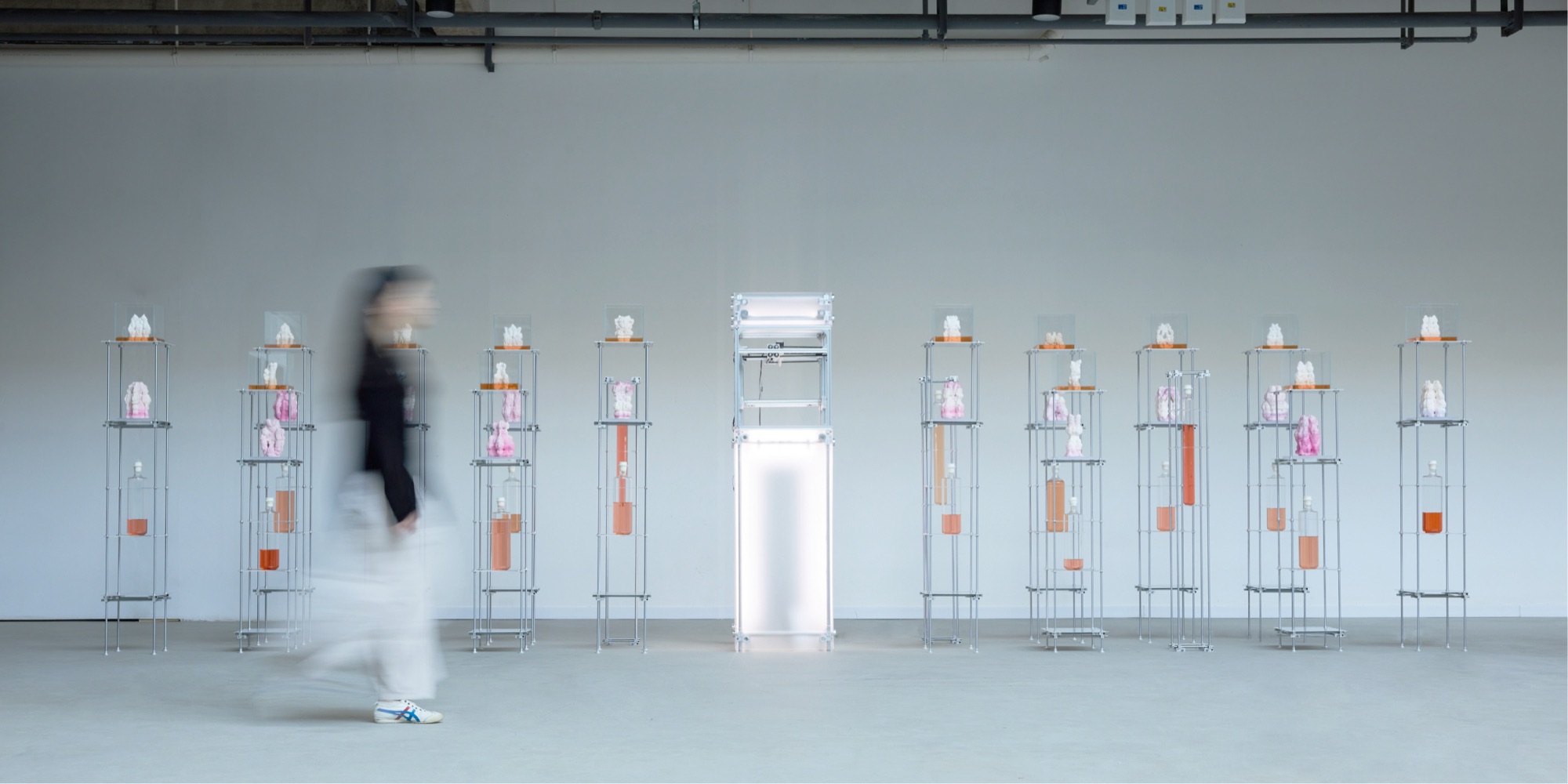
Fourteen sculptures
Fourteen unglazed, textured ceramic pieces make up Bactereature. Produced through the same material and microbial system, each developed a distinct pattern of pigment migration, accumulation and boundary formation.
Rather than aiming for an even colour, the series foregrounds variation itself, with each form registering a different interaction between printed geometry, porous ceramic and microbial activity.
Credits
Collaborators: —
Fabrication: —
Research support: —
Media: —
Dimensions: —
Year: —