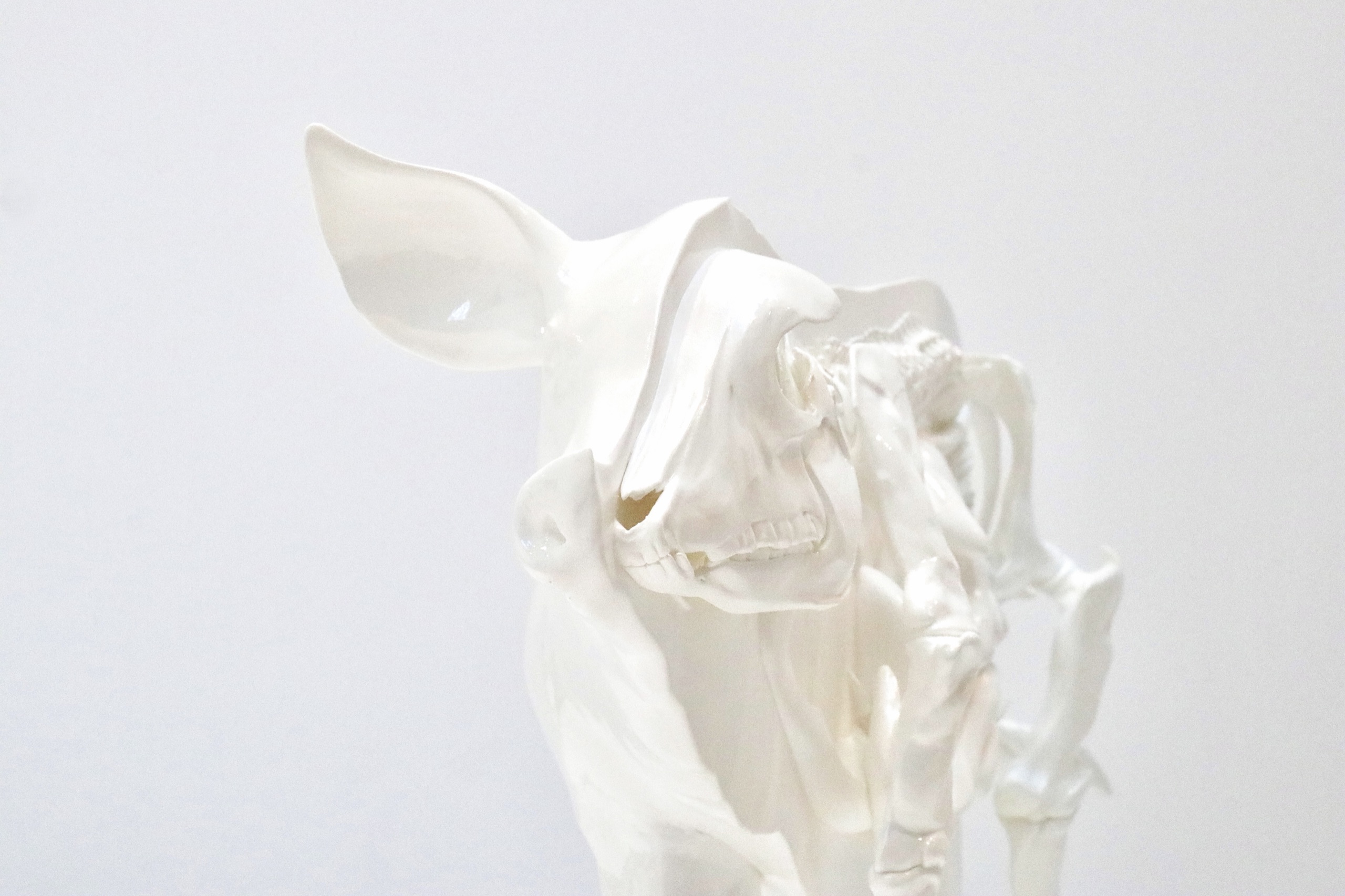
Reprodutopia
Reproductive autonomy, shared gestation and alternative kinships are explored through four speculative anatomies. Drawing on animal reproductive strategies and the possibilities of reproductive technology, imagined organs question how reproductive capacity and responsibility might be redistributed. Each scenario holds technological promise alongside ethical uncertainty.
Concept
Reproductive equality involves more than expanding access to conception. It also concerns who bears the physical demands of pregnancy, who exercises choice, and how responsibility for another life is shared. The prospect of artificial gestation and bodily modification opens these relationships to reconsideration, exposing the distinction between redistributing reproductive capacity and achieving equity in autonomy and care.
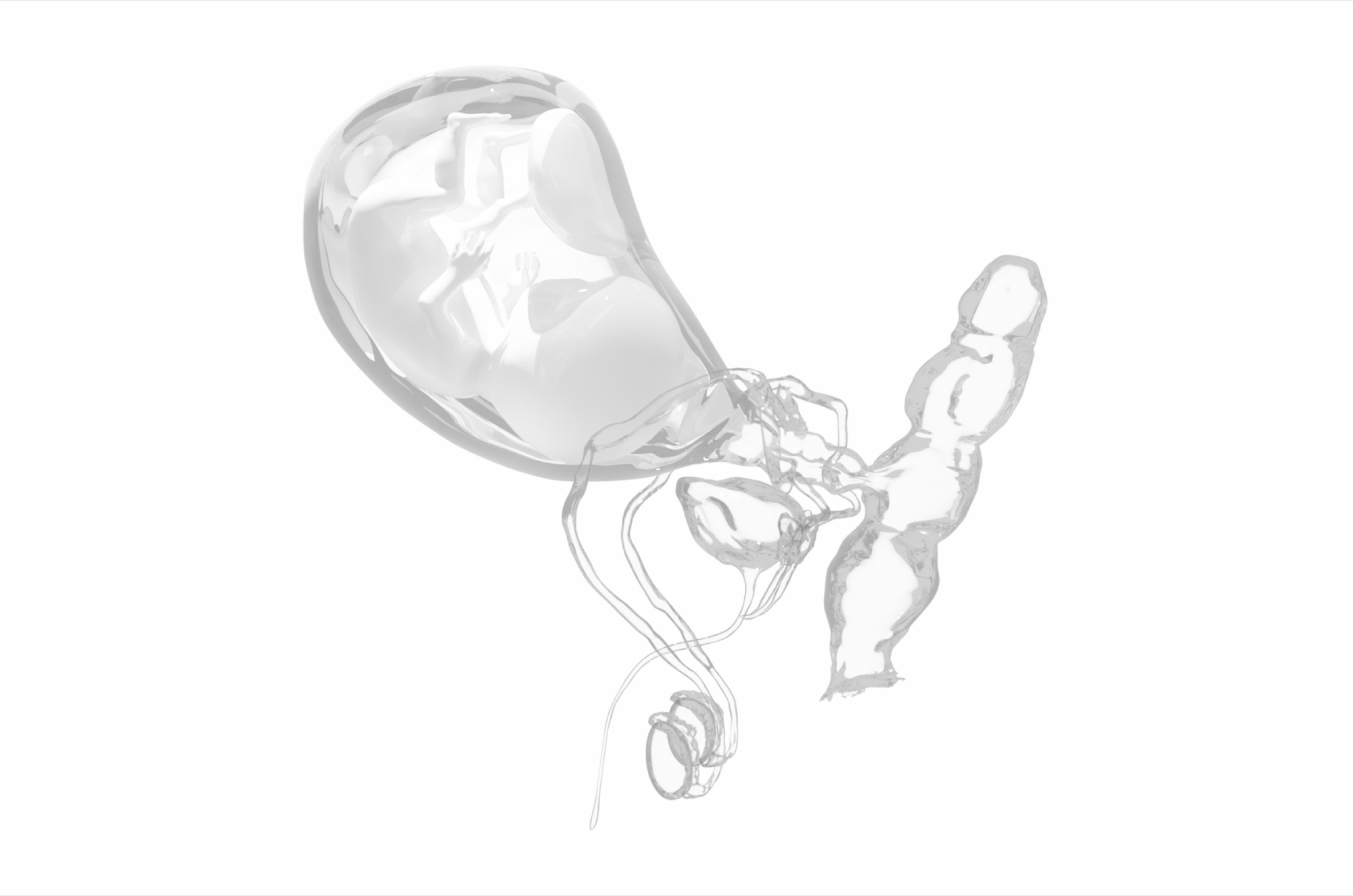
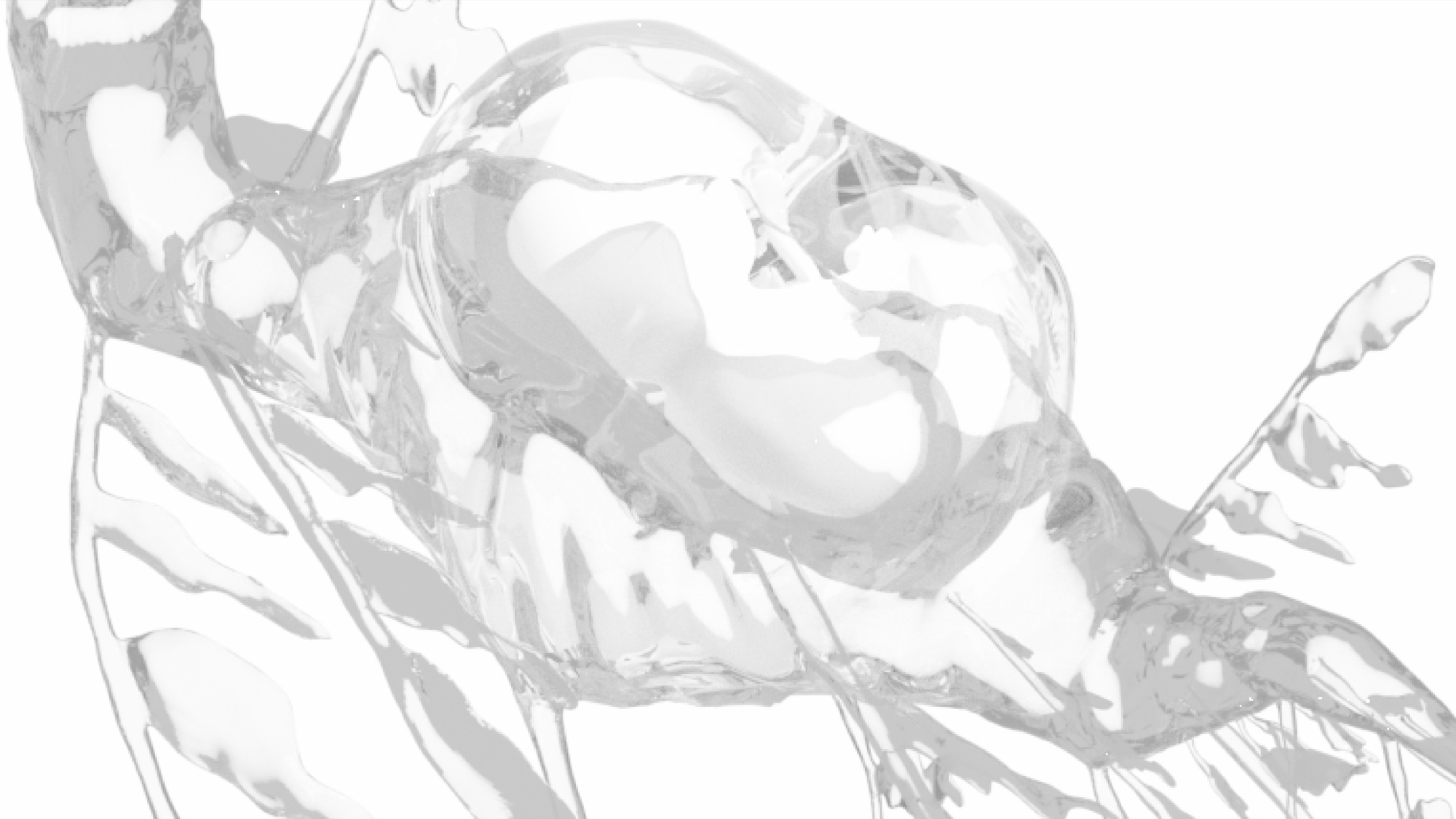
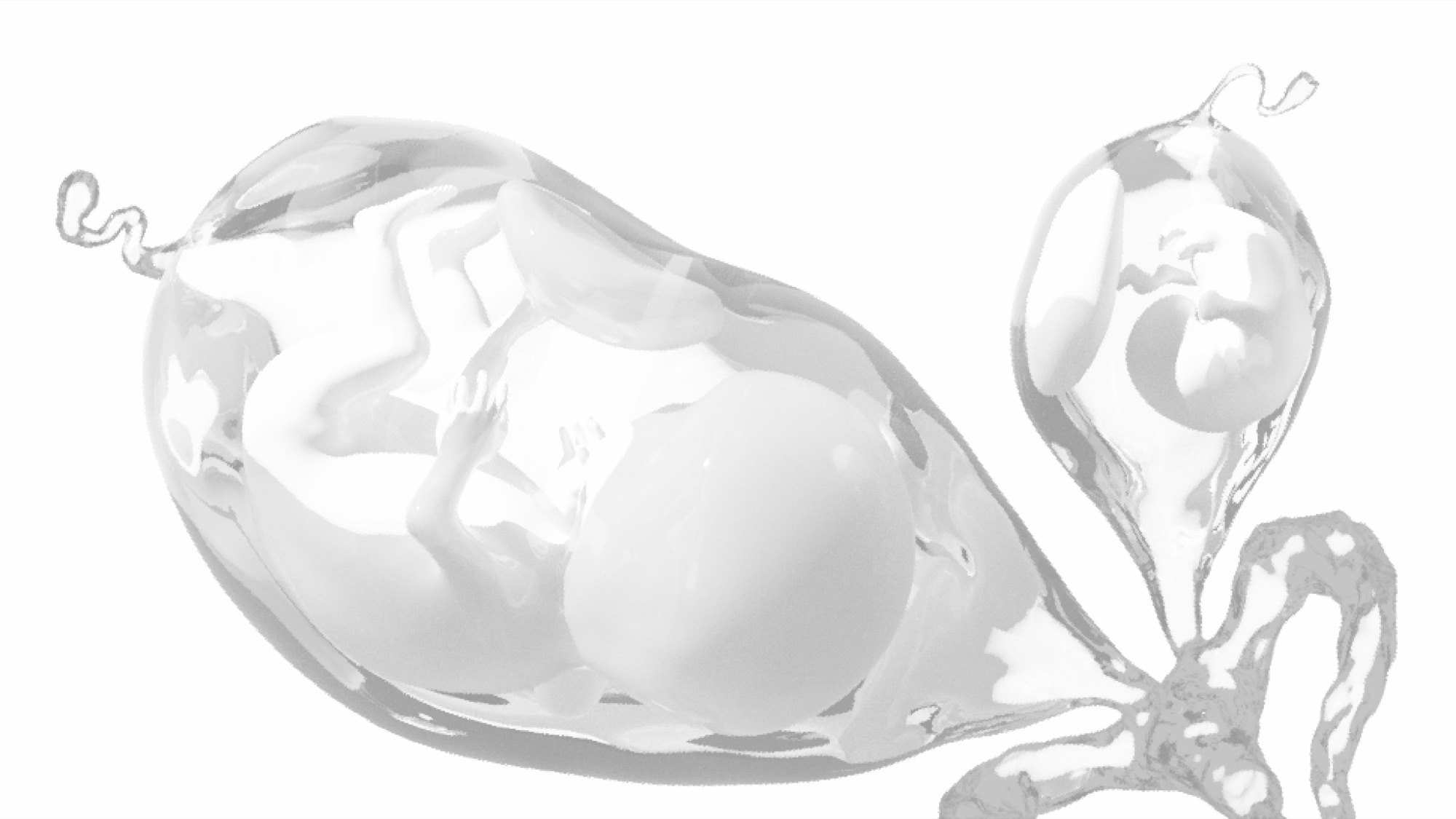
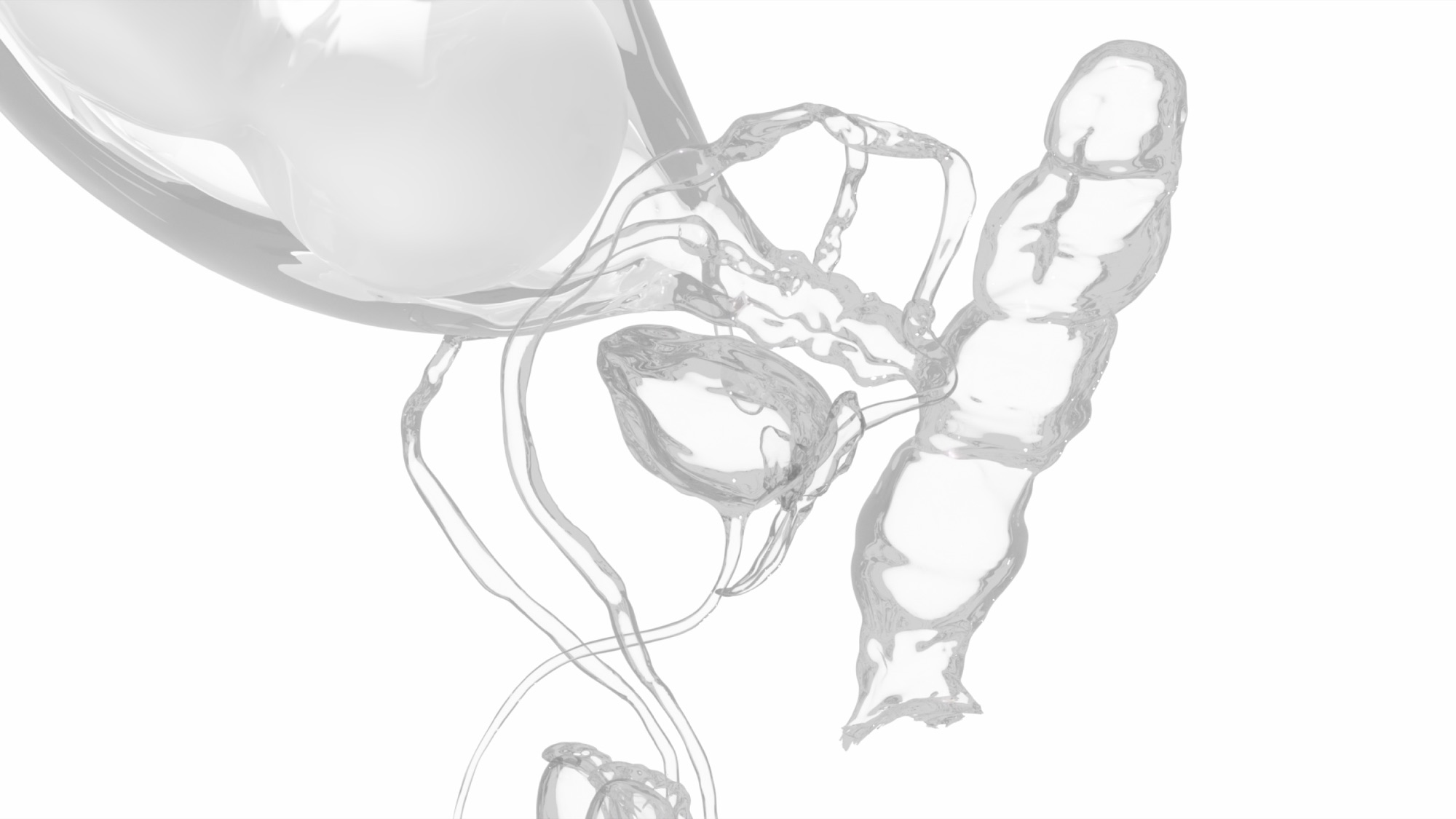
Four positions give these tensions anatomical form: pregnancy liberalism, pregnancy mutualism, natalism and pregnancy egalitarianism. Animal reproductive strategies are reinterpreted through fictional organs, simulated medical imagery and sculptural installation. Presented as competing possibilities, they invite reflection on the desirability of different reproductive futures and the uneven distribution of their benefits and burdens.


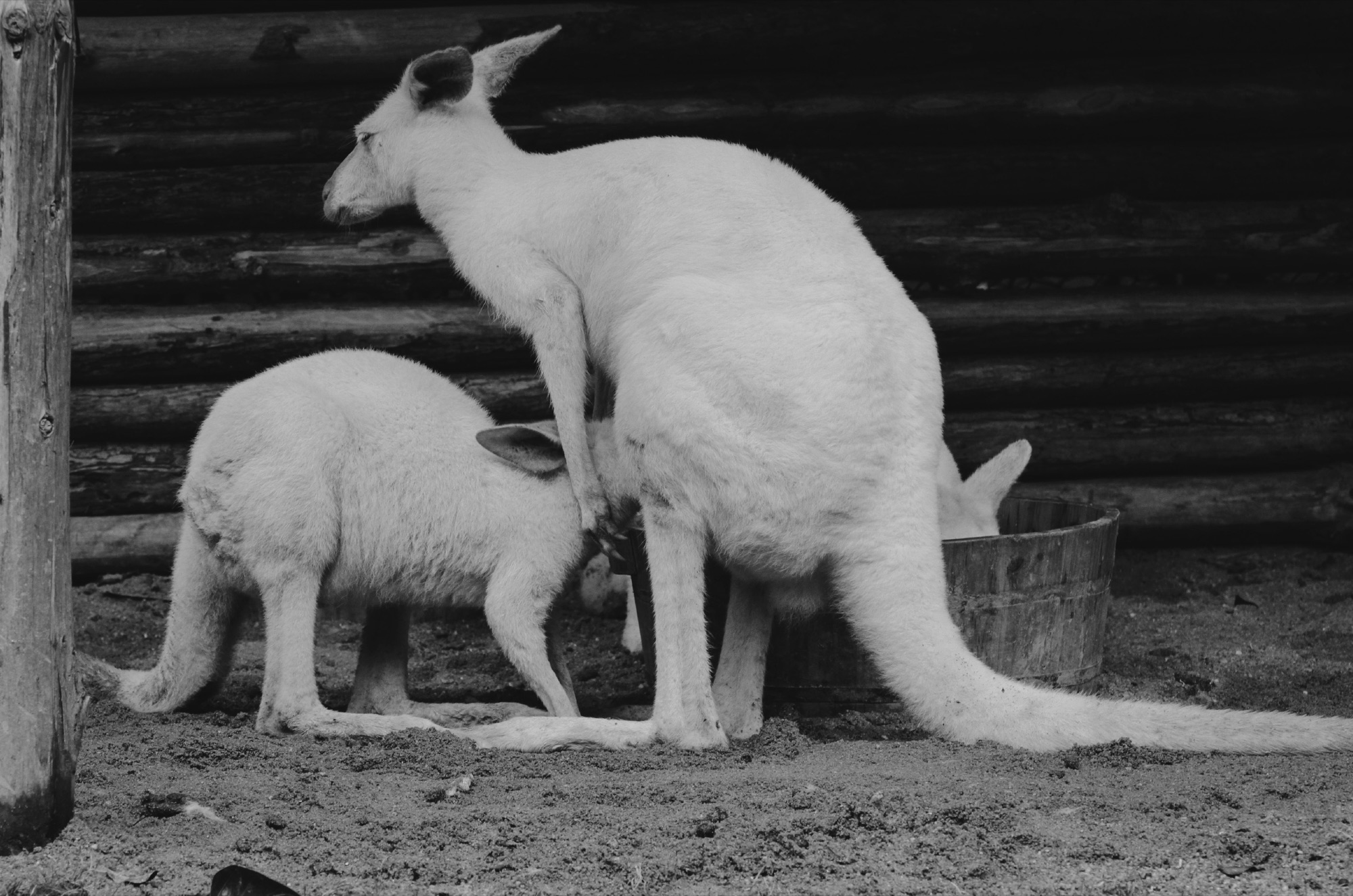

Other ways of carrying
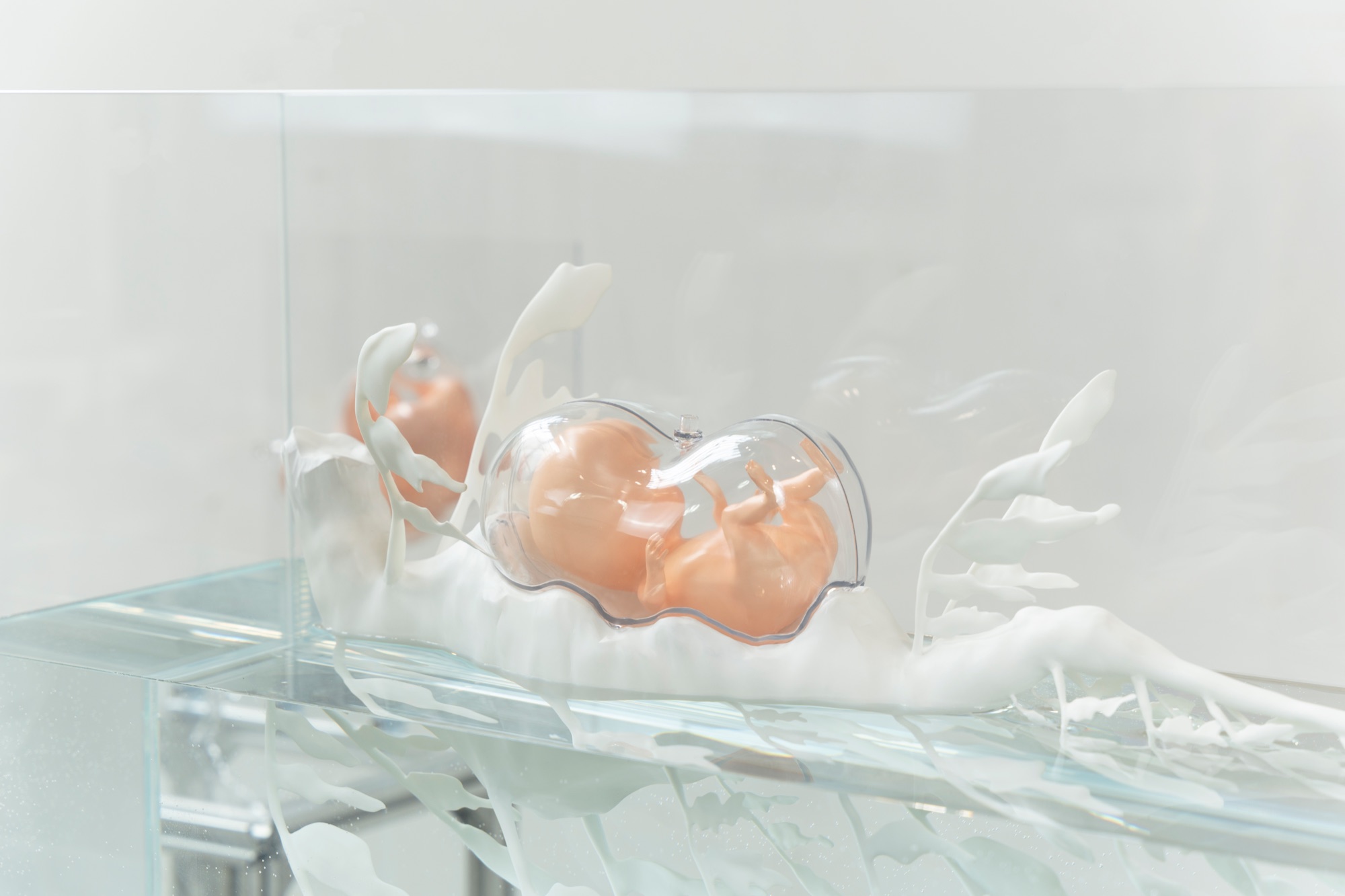
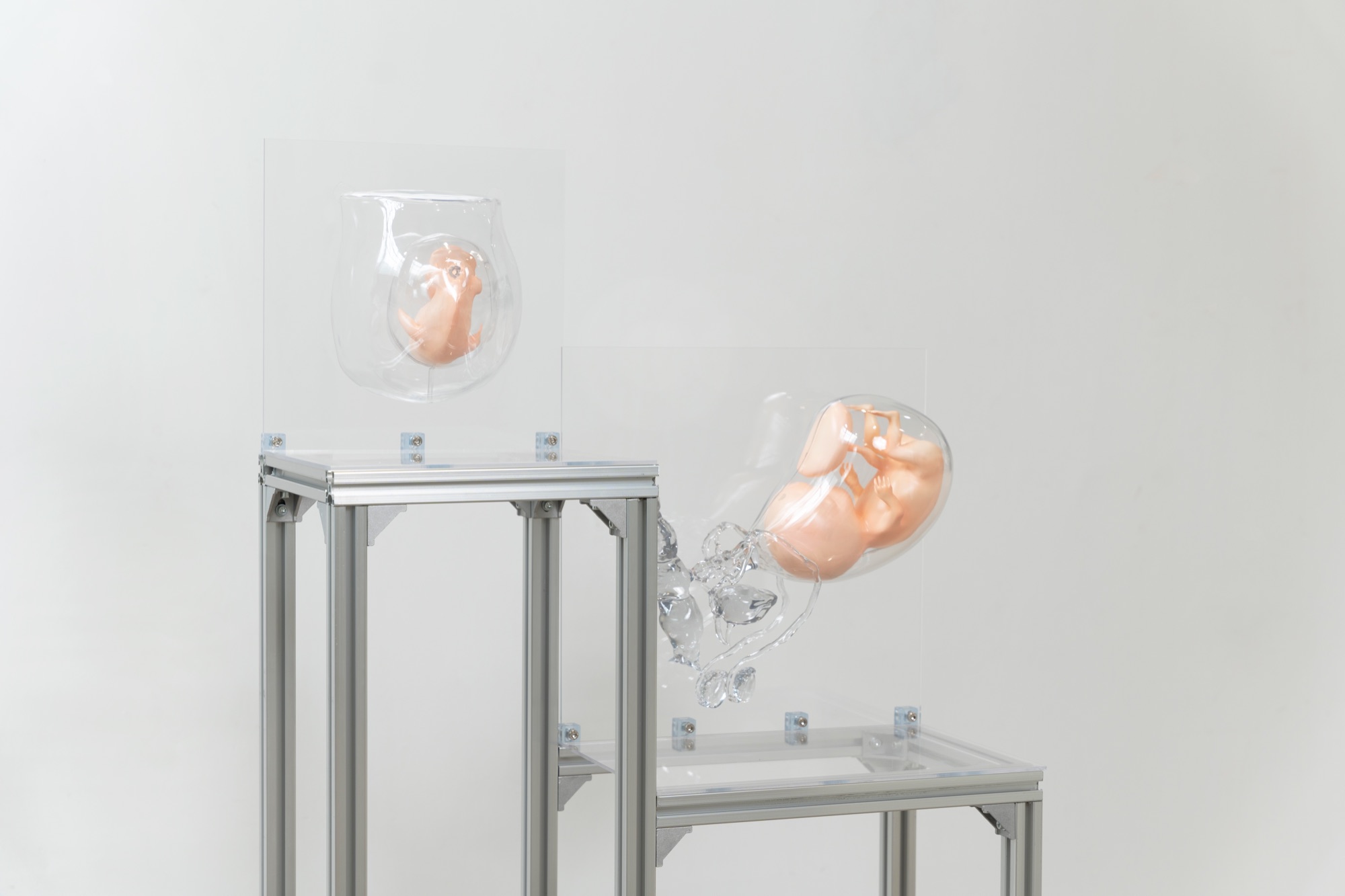
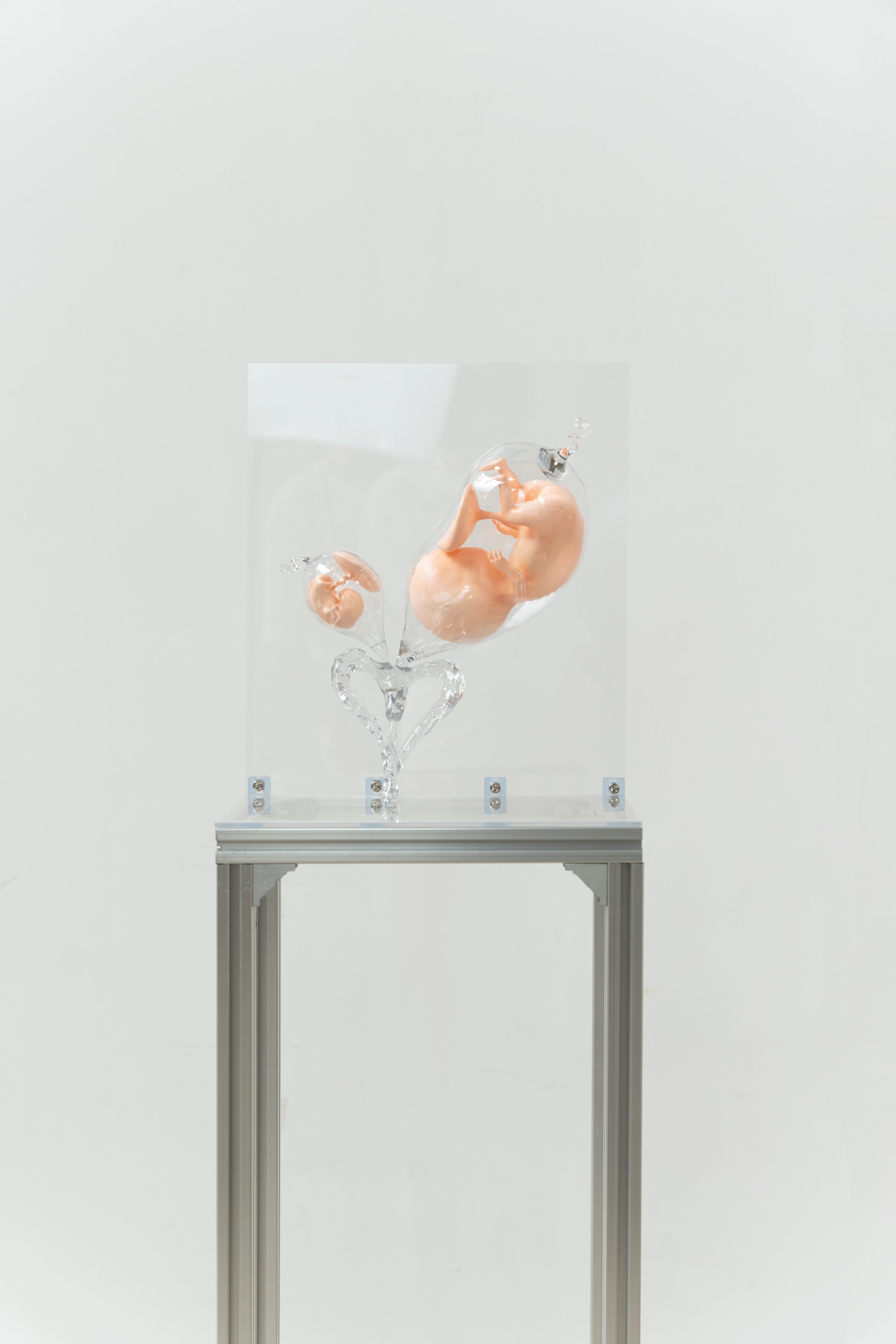
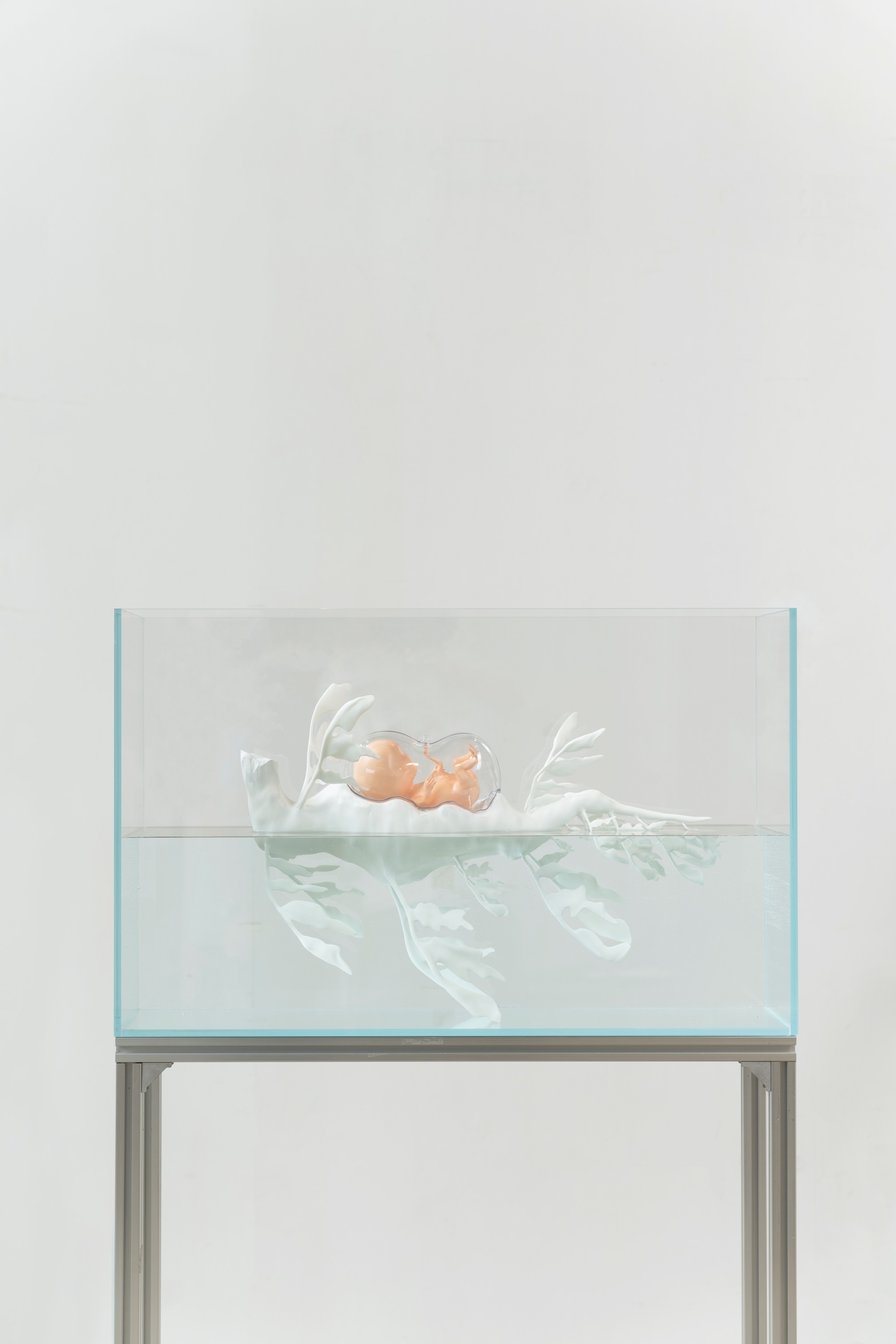
The Surinam toad, leafy seadragon, kangaroo and seahorse offer distinct references for the location, anatomy and roles of reproduction. Skin-based brooding, external egg carrying, paired uteri and male pregnancy provide starting points for imagining alternative configurations of the human reproductive body.
These biological references are transformed rather than directly replicated. Each is developed into a speculative organ through which bodily autonomy, collective care, reproductive capacity or gendered responsibility can be questioned. Biological diversity expands the imagination without determining how human reproduction ought to be organised.


Bodies otherwise
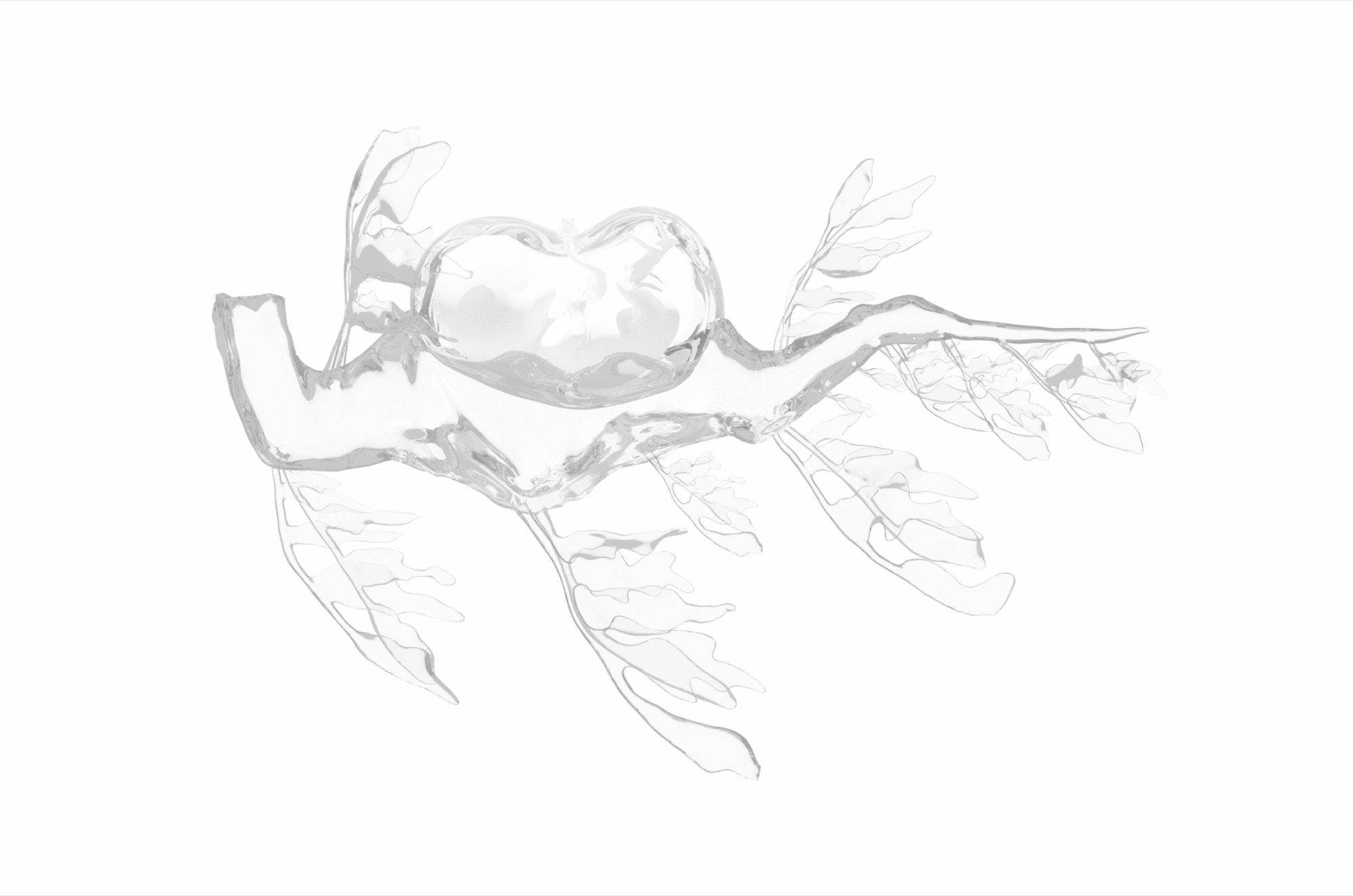
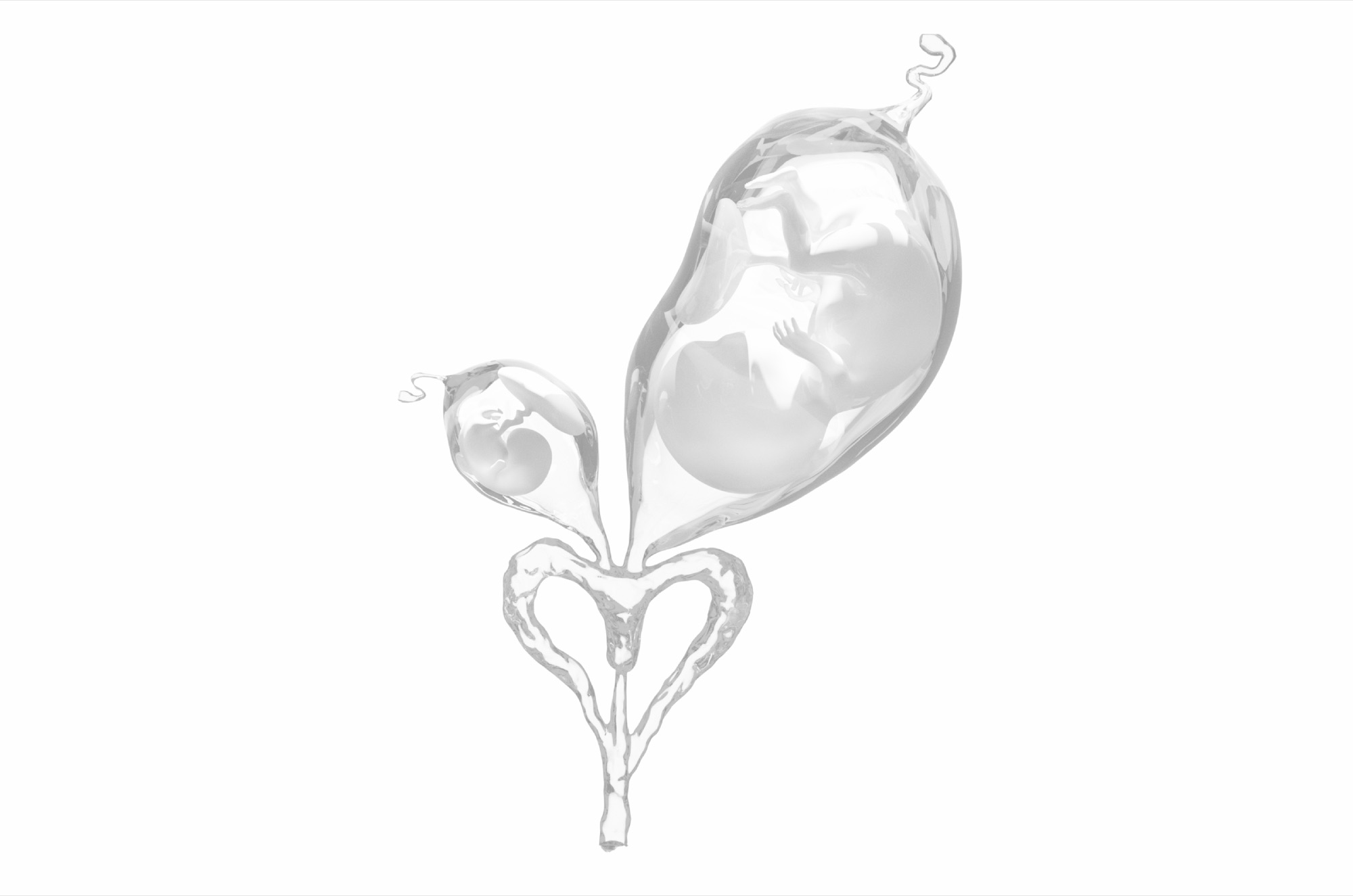
Pregnancy liberalism imagines greater autonomy over the location and configuration of gestation. Pregnancy mutualism extends reproductive responsibility towards collective and interspecies care. Natalism explores expanded reproductive capacity and multi-offspring family structures, while pregnancy egalitarianism considers the redistribution of gestational roles between partners.
Each position is embodied in a speculative anatomy, translating a social proposition into a bodily arrangement. Enclosures, branching structures and multiple chambers give form to different distributions of reproductive capacity and dependence. Together, the organs expose tensions between individual choice, collective obligation and bodily agency, without presenting any configuration as an ideal.
Gestational imaginaries
The visual language of ultrasonography renders imagined gestation as a clinical observation. Foetal forms appear within four speculative anatomies, lending unfamiliar reproductive arrangements the apparent familiarity of a routine scan. The sequence explores how medical imagery shapes perceptions of bodily possibility, making fictional scenarios appear recognisable without establishing their biological feasibility.

Terms of care
Redistributing the capacity to gestate also reconfigures the relationships surrounding reproduction. Across the four scenarios, bodily autonomy intersects with shared responsibility, interspecies dependence and expectations of parenthood. Reproductive equity rests not simply on who can carry a pregnancy, but on whose consent is recognised, how bodily burdens are distributed and how care is sustained.
Junpeng Liang, 2023
With Weixi Kuang